Skip to content
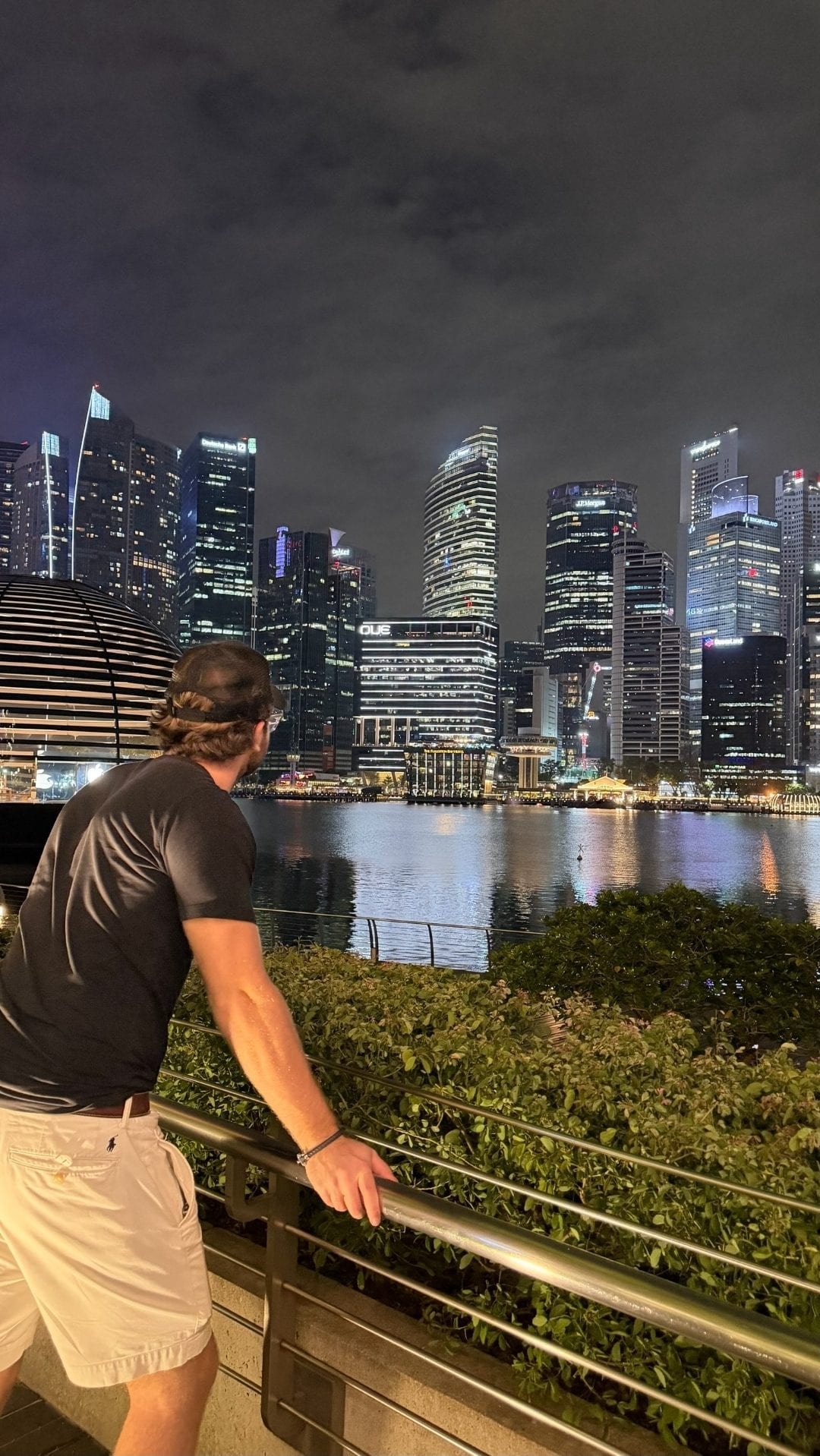
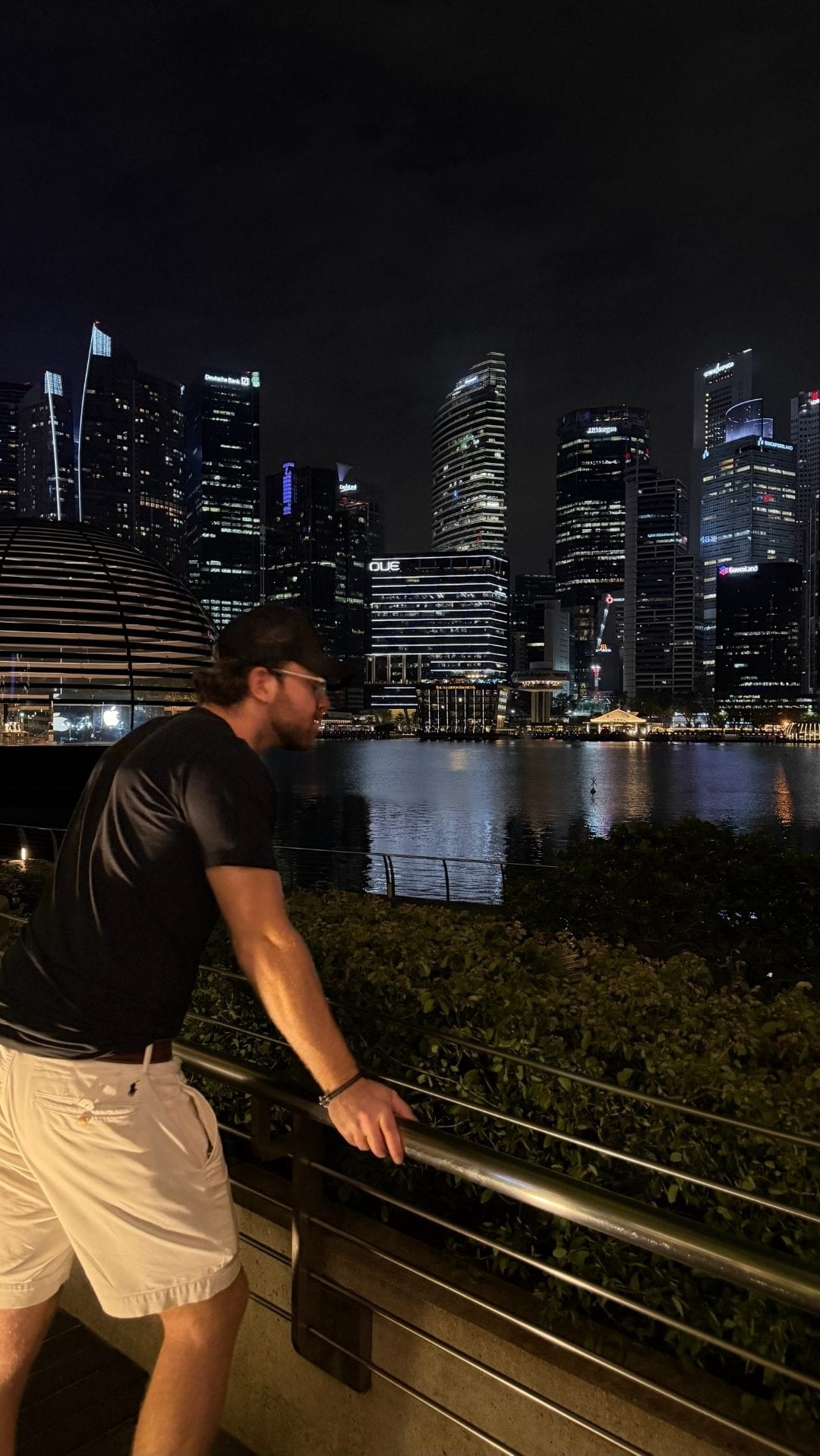
Melker Pasternak Ivarsson at night, overlooking the Singapore skyline across Marina Bay

Melker PasternakIvarsson

Creativity inspired by curiosity

Melker Pasternak IvarssonSweden

Two companies, and everything that led to them.

I'm Melker Pasternak Ivarsson, a Swedish founder. I run Veyra Automations, an AI and automation studio that builds the systems letting a business stop paying for its output in hours, and Ordana, a network that lets founders build with resources they don't own.

Before those there were five other attempts — a company I started at sixteen, a platform for restructuring enterprises, a think tank on decentralised organisations, an influencer management company, and a stretch as an AI developer building the thing I'd spent years theorising about. Every one of them was the same question from a different angle: how people organise to get things done, and why it keeps breaking.

Governing board, NBI/Handelsakademin

Crossing an empty expanse of tarmac in hard midday sunlight
Seated in a hotel lounge in the evening, working from a phone under a chandelier

Seven attempts. One problem.

Every one of them is the same obsession from a different angle: how groups of people organise to get things done, and why it keeps breaking.

  1. 01The first one

    The false start

    At sixteen I got five people to put money in and come on as co-founders of my first company. The cap table and the split of responsibilities were structured so badly that we couldn't operate at all — not the market, not the product, just five people who couldn't establish who decided what. We shut it down before any of the money landed, so nobody lost anything.

    It died of a coordination problem. That's what I've worked on ever since.
  2. 02The thesis

    Restructuring the enterprise

    I designed a platform for restructuring large companies into decentralised models, built on Haier's RenDanHeyi. It put me in rooms with globally recognised management thinkers. It also failed, for a boring reason: enterprises don't want to restructure their entire business.

    The idea held. The ask was impossible.

  3. 03The theory

    Where it got serious

    So I co-founded a think tank on decentralised organisational models with those same people, Dr. Danah Zohar the leading figure among them. Arguing about how organisations should be shaped, with people who had spent whole careers on it.

    I could describe the problem precisely. I still couldn't build the answer.

  4. 04The detour

    Someone else's business

    I took over an influencer management company representing two of the largest TikTok creators in Sweden, ran it, and handed it off to the next owner. Nothing to do with the thesis. Everything to do with running something that already exists instead of something imagined.

    Additional operational experience rather than design.

  5. 05The build

    Learning to make the thing

    I worked as an AI developer. I built an AI auditor for a UK compliance consultancy that lets clinics simulate an inspection and see where they'd fail before a real one arrives. And I ran the first phase of AI strategy for a listed company — a chat layer wired into their databases that collects operational data and acts on it, the foundation everything they build after gets to stand on.

    The gap between describing a system and shipping one finally closed.

  6. 06Now

    Veyra Automations

    Veyra is my AI and entrepreneurship experience productised. With my experience in building AI software that generates revenue, we build the automation and AI systems that let a business decouple its income from its hours — strategy through to launch, on the smallest resource footprint the job allows.

    The efficiency engine.

  7. 07Now

    Ordana

    Ordana is the first problem with the constraint removed. I spent years trying to change how organisations coordinate inside themselves. It turns out to be far easier between companies that chose to be there than inside one that didn't — founders reach expertise and talent without upfront capital, and build with resources they don't own.

    Same question. Better angle.

Standing on a beach at sunset, looking out over the water

The constraint was never resources. It was the structure we put around them.

What I’m building

Two companies

The constraint destroyer

Ordana

Coordination between companies that chose to be there.

Ordana is rev-share collaboration infrastructure. It lets founders access expertise and talent without upfront capital, and build with resources they don't own.

~$700K

worth of resources on the network for startups to tap into through rev-share collaborations

  • Remove resource constraints through rev-share collaboration
  • Access expertise and talent without upfront capital
  • Build and scale using resources you don't own
Join Ordana(opens in a new tab)

The efficiency engine

Veyra Automations

The AI work in the story, productised. Veyra builds the automation and AI systems that let a business decouple its income from its hours — strategy through to launch, with the smallest possible resource footprint.

$23Min combined revenue across the businesses we build for

AI and automation systems, from first call to launch · Productising services so revenue stops scaling with headcount · Success measured in the resources needed to reach product-market fit

Visit Veyra(opens in a new tab)
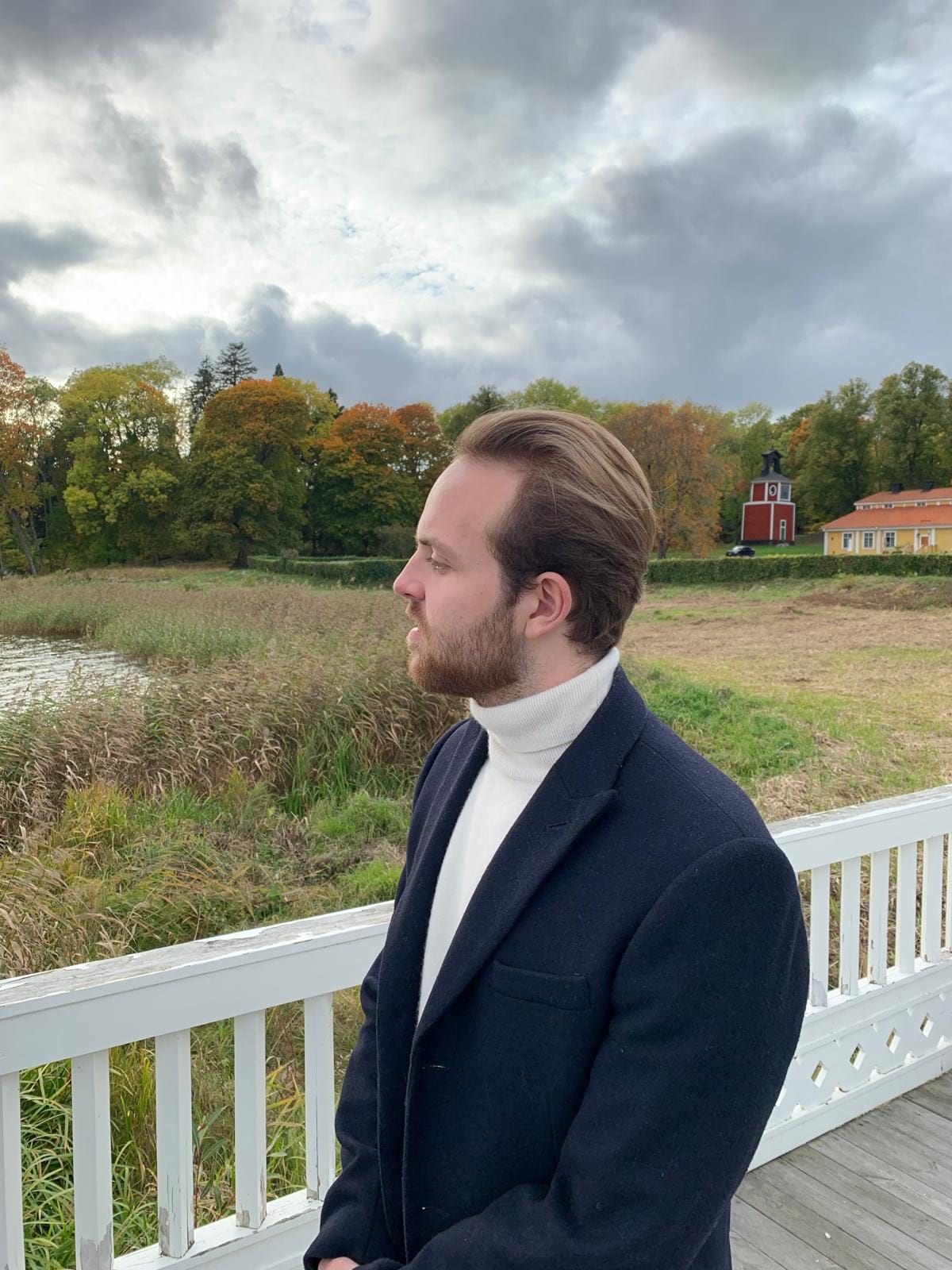
Melker Pasternak Ivarsson in an overcoat and turtleneck on a jetty, autumn in the Swedish countryside

Speaking

Media & stage

I speak on startups, decentralised business models and the philosophy of simplicity — for audiences that would rather be argued with than agreed with.

  • How to foster collaboration between startups in a community
  • How to leverage software to decouple income from hours
  • How to launch and scale a business without capital
  • Why bureaucracy is a tax on human potential
Invite me to speak